Robotic rehab is changing the way people recover after injuries. This advanced technology helps patients regain movement and strength faster. In orthopedic surgery, robotic rehabilitation is becoming a key part of post-injury recovery. With robotic rehab, patients can get back to daily life sooner and more safely.
What is Robotic Rehabilitation?
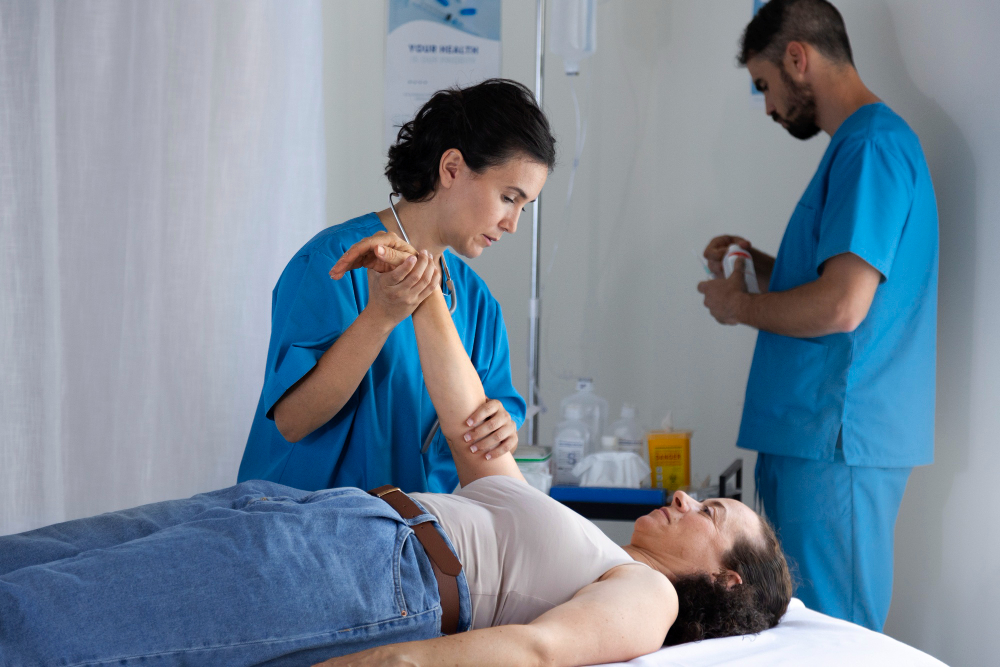
Robotic rehabilitation uses machines to help people move and exercise after an injury. These machines guide your arms, legs, or other body parts. They help you practice movements safely and correctly. Because of this, robotic rehab is often called robotic physical therapy. Doctors and therapists use it to help patients recover from bone, joint, or muscle injuries.
How Robotic Rehab Works in Post-Injury Recovery
After an injury, your body needs time and support to heal. Robotic rehab gives you that support. The machines help you move in ways that are safe and gentle. For example, a robotic arm can help you lift your arm after a shoulder injury. Or, a robotic leg device can help you walk again after knee surgery. As you use these machines, sensors track your progress. This helps your therapist adjust your treatment for the best results.
Benefits of Robotic Rehab for Recovery Speed and Outcomes
Robotic rehabilitation for injury recovery offers many benefits. Some of the main advantages include:
Because of these benefits, many studies show that robotic rehab can improve recovery after orthopedic injuries. According to the CDC and recent orthopedic journals, patients using robotic physical therapy often regain strength and movement faster than with traditional therapy alone.
Common Injuries Treated with Robotic Rehab
Robotic rehab is useful for many types of injuries. Some common injuries and conditions treated include:
Because robotic rehab is so flexible, doctors can use it for both simple and complex injuries.
What to Expect During Robotic Rehab Sessions
During a robotic rehab session, you will work with a trained therapist. First, the therapist will help you get set up with the robotic device. Next, you will practice movements, such as walking, lifting, or bending. The machine guides your body and gives feedback. Sessions usually last 30 to 60 minutes. Over time, the exercises may get harder as you get stronger. Most patients attend several sessions each week for the best results.
Safety, Effectiveness, and Limitations
Robotic rehab is safe for most people. The machines have built-in safety features to prevent injury. However, not everyone is a good candidate. For example, people with certain heart or nerve problems may need other treatments. While robotic rehab is very effective, it works best when combined with other therapies. According to the World Health Organization, robotic rehab should be part of a full recovery plan. It is not a cure-all, but it can make recovery faster and easier for many patients.
Tips for Maximizing Recovery with Robotic Rehab
Because every injury is different, your recovery plan may change over time. Stay positive and keep working with your team for the best results.
In summary, robotic rehab is a powerful tool for post-injury recovery in orthopedic care. It helps patients heal faster, move better, and regain their independence. Consult an orthopedic specialist to learn if robotic rehab is right for your recovery.